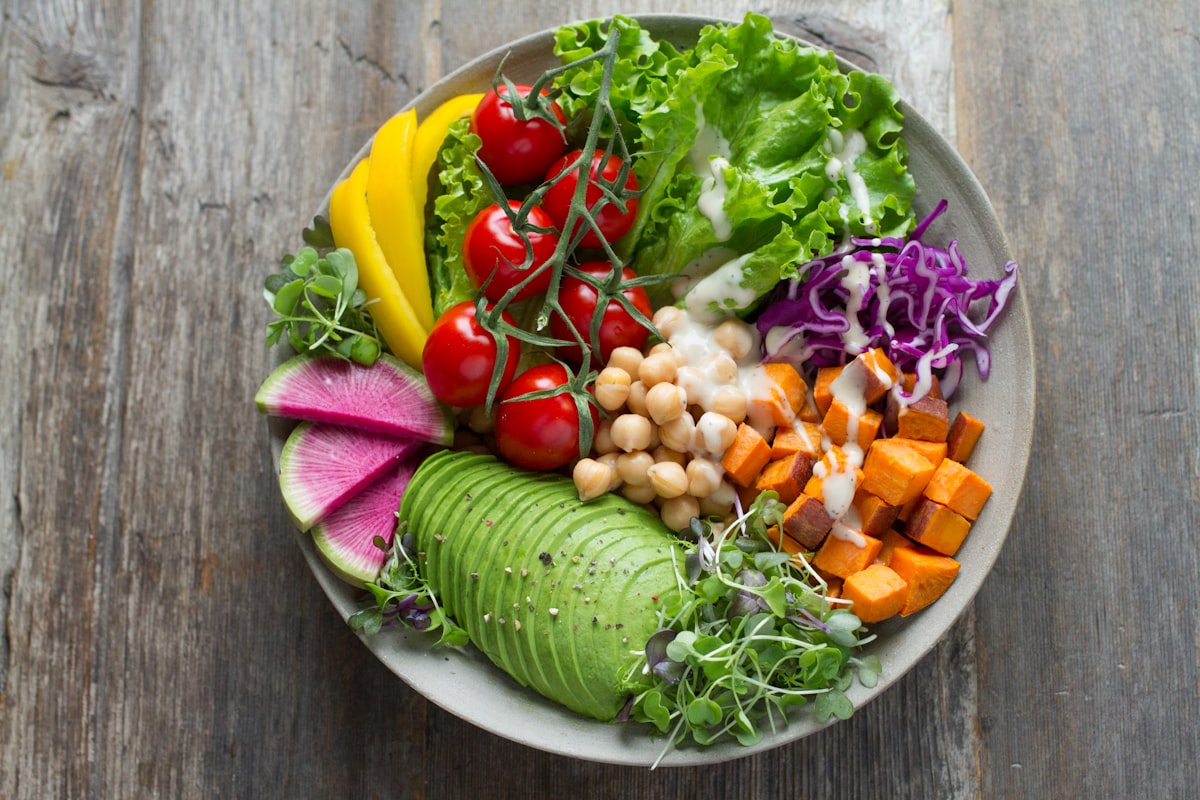
1. Introduction: Why High Protein Vegetarian Meals Matter
Transitioning toward a plant-forward or vegetarian lifestyle is one of the most impactful decisions you can make for overall health, longevity, and environmental sustainability. However, one question continues to dominate discussions around plant-based nutrition: "How do you get enough protein without eating meat?"
The misconception that high protein vegetarian meals are difficult to assemble, tasteless, or insufficient for active individuals has been thoroughly disproven by nutritional science. According to researchers at the Harvard T.H. Chan School of Public Health, consuming protein from quality plant sources such as legumes, nuts, seeds, and whole grains contributes to superior cardiovascular health, improved insulin sensitivity, and reduced overall mortality compared to heavy animal-protein consumption.
Protein is the essential macronutrient responsible for repairing muscle tissue, synthesizing vital enzymes and hormones, maintaining immune function, and keeping you satiated between meals. When you construct high protein vegetarian meals using whole, nutrient-dense ingredients, you eliminate unwanted saturated fats while amplifying your daily fiber, antioxidant, and micronutrient intake.
Whether your goal is muscle hypertrophy, athletic recovery, weight management, or simply maintaining steady energy levels throughout the workday, this comprehensive guide provides everything you need to master high protein vegetarian cooking without complexity.
2. The Science of Plant Protein: Complete vs. Incomplete Proteins
To construct effective high protein vegetarian meals, it is essential to understand the amino acid structure of plant foods. Proteins are composed of 20 distinct amino acids. Nine of these are classified as essential amino acids (EAAs) because the human body cannot produce them internally and must acquire them through dietary intake.
Understanding Amino Acid Profiles
Food sources that contain all nine essential amino acids in adequate proportions are called complete proteins. While animal products naturally provide complete proteins, several plant foods also offer full amino acid profiles, including:
- Soy Products: Tofu, tempeh, edamame, and soy milk.
- Ancient Grains: Quinoa, amaranth, and buckwheat.
- Seeds: Hemp seeds, chia seeds, and pumpkin seeds.
Other plant ingredients, such as beans, lentils, peanuts, and wheat, may have lower concentrations of one or two essential amino acids (such as methionine or lysine). These are referred to as incomplete proteins. However, modern nutritional consensus published in PubMed Central / NIH Dietary Research confirms that you do not need to combine complementary proteins at the exact same meal. As long as you consume a diverse variety of plant foods across 24 hours, your liver stores and balances amino acids seamlessly.
3. Top 15 High-Protein Vegetarian Ingredients (Macro Breakdown Chart)
Building high protein vegetarian meals requires knowing which ingredients offer the highest protein density per serving. The authoritative USDA FoodData Central Database provides precise nutritional values for key plant protein sources.
Here is the definitive macro breakdown chart for top high-protein vegetarian ingredients:
| Ingredient | Serving Size | Protein (Grams) | Calories | Primary Micronutrients |
|---|---|---|---|---|
| Seitan (Vital Wheat Gluten) | 100g (Cooked) | 25g | 140 kcal | Selenium, Iron, Phosphorus |
| Tempeh (Organic Soy) | 100g | 19g | 195 kcal | Manganese, Copper, Probiotics |
| Firm Tofu | 100g | 14g | 110 kcal | Calcium, Iron, Magnesium |
| Greek Yogurt (Plain 0%) | 170g (1 Cup) | 17g | 100 kcal | Calcium, B12, Potassium |
| Hemp Seeds (Hulled) | 30g (3 Tbsp) | 10g | 170 kcal | Omega-3, Zinc, Magnesium |
| Lentils (Brown/Green, Cooked) | 190g (1 Cup) | 18g | 230 kcal | Folate, Fiber (15g), Iron |
| Chickpeas (Garbanzo, Cooked) | 160g (1 Cup) | 145g | 269 kcal | Folate, Manganese, Fiber |
| Edamame (Steamed) | 155g (1 Cup) | 18g | 188 kcal | Vitamin K, Folate |
| Black Beans (Cooked) | 170g (1 Cup) | 15g | 227 kcal | Antioxidants, Fiber, Iron |
| Quinoa (Cooked) | 185g (1 Cup) | 8g | 222 kcal | Complete EAAs, Fiber, B-Vitamins |
| Cottage Cheese (Low Fat) | 110g (1/2 Cup) | 14g | 90 kcal | Phosphorus, B12, Selenium |
| Nutritional Yeast | 15g (2 Tbsp) | 8g | 60 kcal | B-Complex (B12), Zinc |
| Pumpkin Seeds (Pepitas) | 30g (1/4 Cup) | 9g | 180 kcal | Magnesium, Zinc, Iron |
| Peanut Butter (Natural) | 32g (2 Tbsp) | 8g | 190 kcal | Healthy Fats, Vitamin E |
| Eggs (Pasture-Raised) | 2 Large | 13g | 140 kcal | Choline, Vitamin D, B12 |
4. How to Calculate Your Daily Protein Needs Accurately
Determining the precise protein intake necessary for high protein vegetarian meals depends on your physical activity level, weight, and physiological objectives:
- Sedentary Recommended Daily Allowance (RDA): 0.8 grams per kilogram of bodyweight (0.36g per pound).
- Endurance Athletes & Active Individuals: 1.2 to 1.4 grams per kilogram of bodyweight (0.55g to 0.65g per pound).
- Strength Training & Muscle Hypertrophy: 1.6 to 2.2 grams per kilogram of bodyweight (0.75g to 1.0g per pound).
For example, an active 70kg (154 lb) individual engaging in strength or cardio training targeted at muscle preservation requires approximately 100g to 120g of protein daily. Distributed across 3 main meals and 1 snack, this equates to 30g to 35g of protein per meal—a target easily met through high protein vegetarian meals.
5. 10 Delicious High Protein Vegetarian Recipes Step-by-Step
Here are 10 complete, step-by-step recipes designed for ultimate protein density, rich flavor, and effortless meal prep. You can find all 100 complete recipes in our Everyday Vegetarian Ebook.
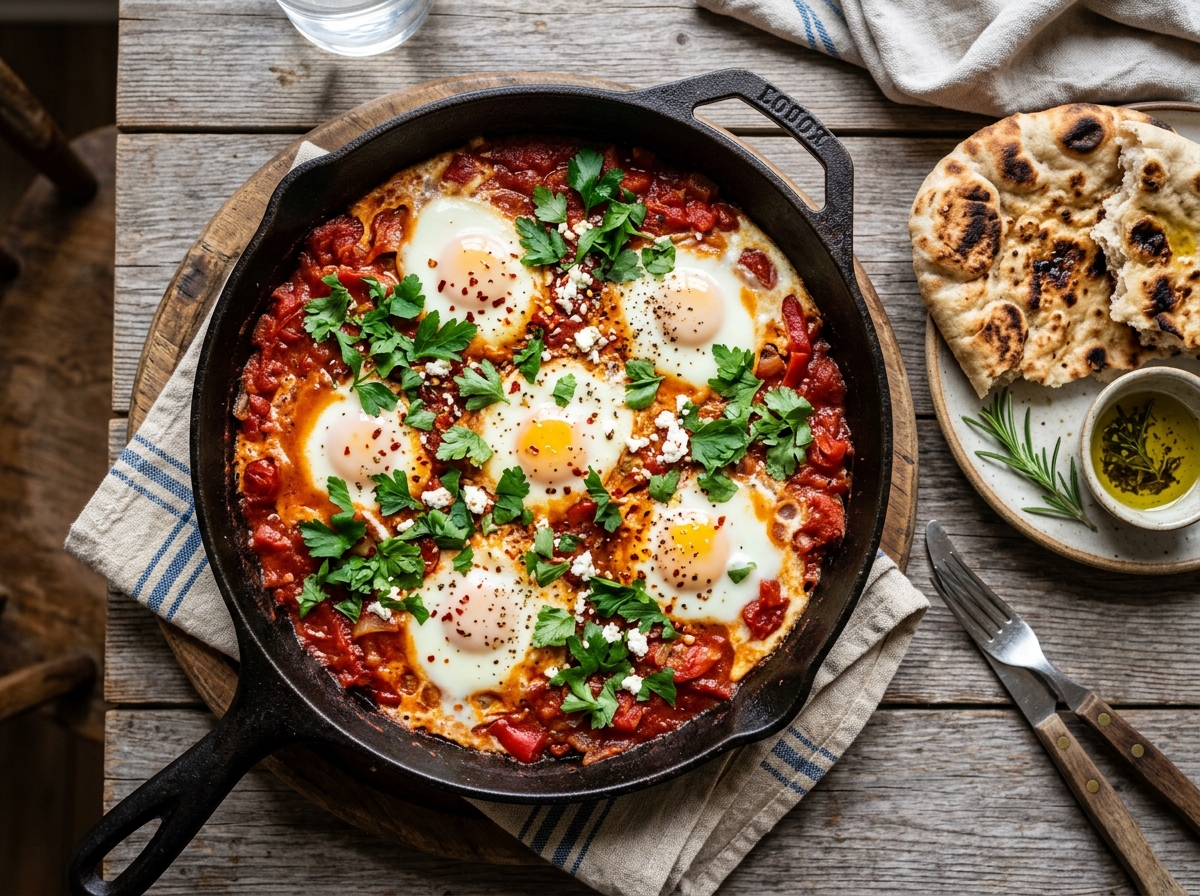
Recipe 1: High Protein Shakshuka with Chickpeas & Poached Eggs
Prep time: 10 mins | Cook time: 15 mins | Servings: 2
Protein breakdown: 3 eggs (19.5g) + 1/2 cup chickpeas (7g) + 30g crumbled feta (5.5g) = 32g total protein.
Instructions: Sauté diced bell peppers, garlic, and onions in olive oil until soft. Add ground cumin, smoked paprika, and canned crushed tomatoes. Stir in 1/2 cup of rinsed chickpeas. Create 3 small wells in the simmering sauce, crack in fresh eggs, cover, and simmer for 6 minutes until egg whites are set. Top with fresh parsley and feta cheese.

Recipe 2: Golden Coconut Tofu & Spinach Curry
Prep time: 15 mins | Cook time: 20 mins | Servings: 3
Protein breakdown: Extra firm pressed tofu (21g) + edamame (5g) + quinoa base (4g) = 28g total protein.
Instructions: Press firm tofu to remove moisture, cube, and pan-sear in coconut oil until golden brown. In a separate skillet, sauté yellow curry paste, grated ginger, and minced garlic. Pour in light coconut milk, add steamed edamame, and simmer for 10 minutes. Fold in fresh baby spinach and seared tofu. Serve hot over cooked fluffy quinoa.
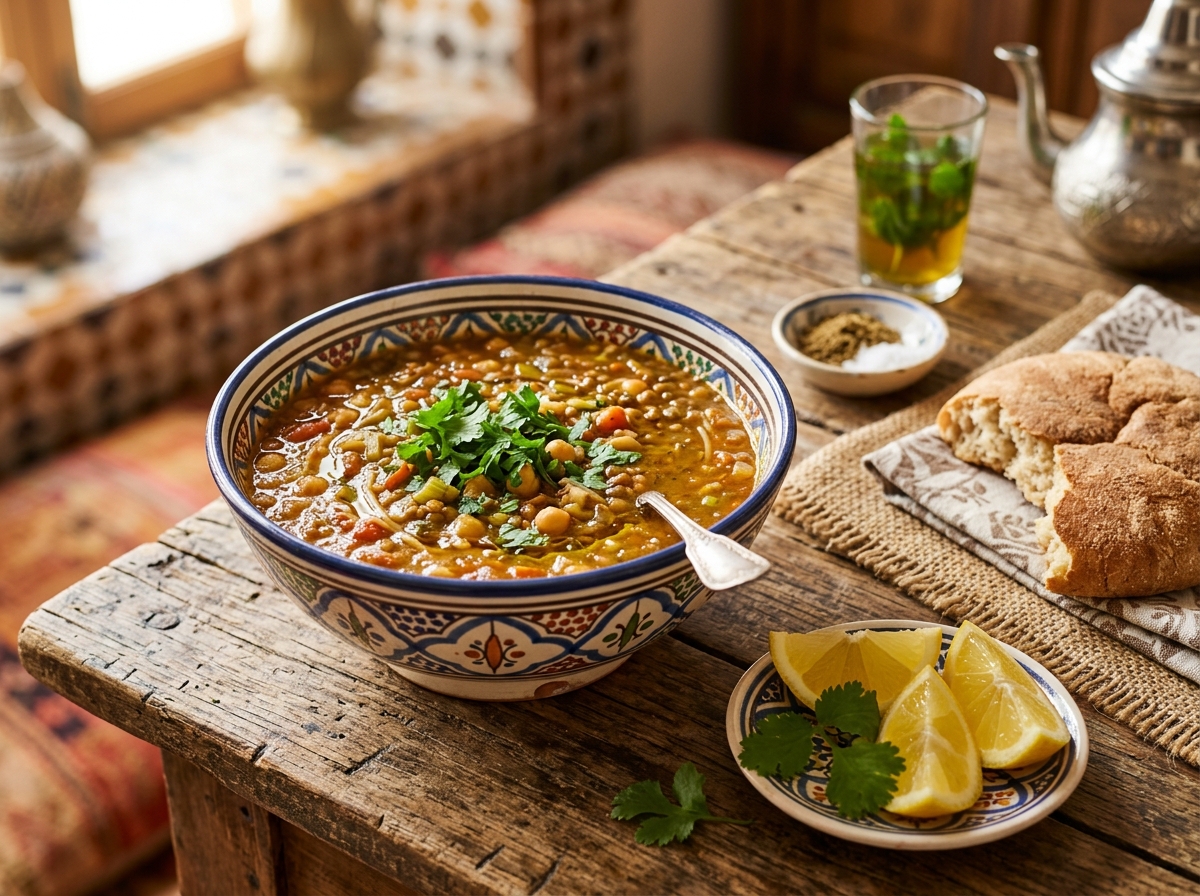
Recipe 3: High Protein Moroccan Lentil & Chickpea Harira
Prep time: 20 mins | Cook time: 40 mins | Servings: 4
Protein breakdown: Brown lentils (13g) + garbanzo chickpeas (12g) + nutritional yeast topper (5g) + Greek yogurt garnish (4g) = 34g total protein.
Instructions: Sauté finely diced celery, red oignons, and fresh coriander in olive oil with ground ginger, cinnamon, and turmeric. Add canned crushed tomatoes, 1 cup of rinsed brown lentils, and 1 cup of chickpeas. Cover with vegetable broth and simmer for 35 minutes until lentils are soft. Stir in 2 tablespoons of nutritional yeast before serving with a dollop of Greek yogurt.
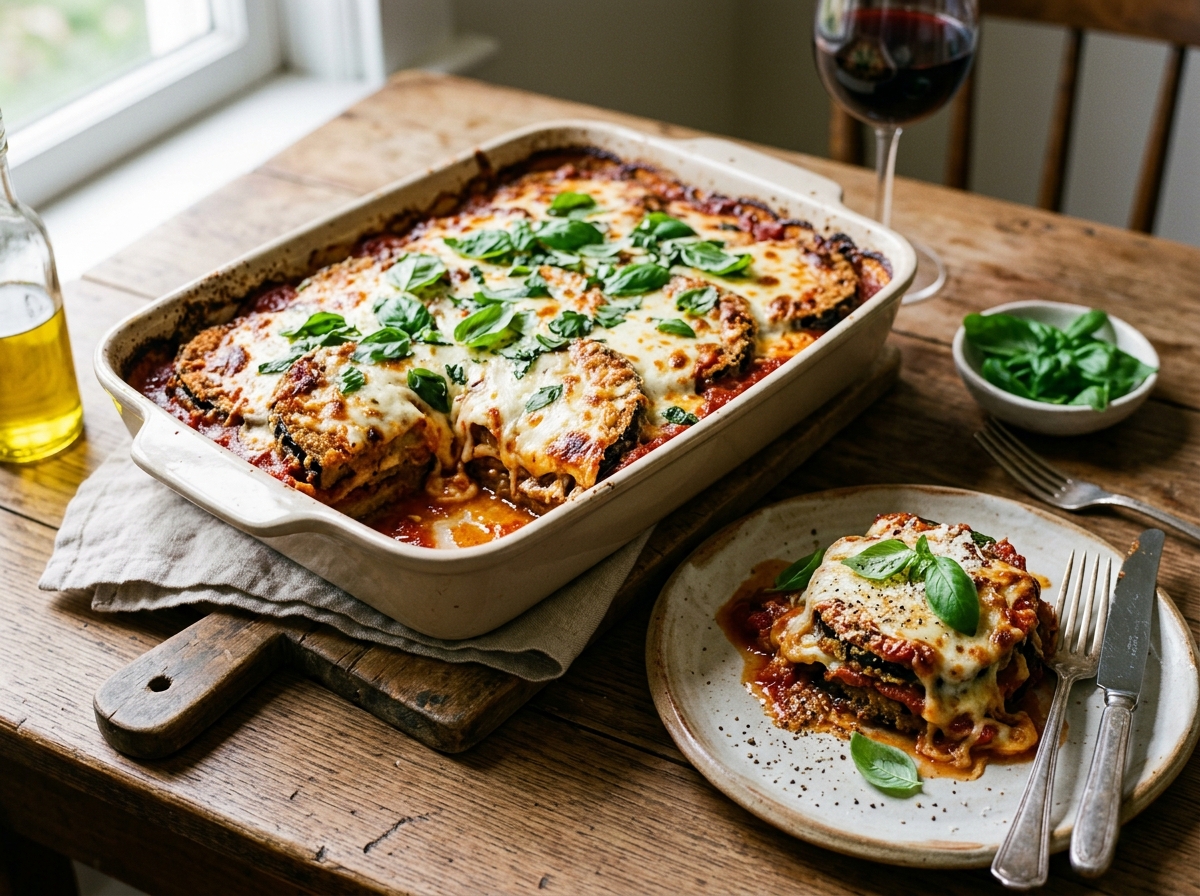
Recipe 4: Crispy Baked Eggplant & Cottage Cheese Parmigiana
Prep time: 25 mins | Cook time: 30 mins | Servings: 4
Protein breakdown: Low-fat cottage cheese blend (16g) + shredded mozzarella (10g) + egg dip coating (4g) = 30g total protein.
Instructions: Slice eggplant into rounds, dip in beaten egg, coat with almond flour and parmesan, and bake at 200°C for 20 minutes. Blend cottage cheese with Italian herbs, garlic powder, and black pepper until smooth. Layer baked eggplant rounds with homemade marinara sauce, whipped cottage cheese mixture, and fresh mozzarella. Bake for an additional 12 minutes until bubbly.

Recipe 5: Spicy Red Lentil & Hemp Seed Dahl
Prep time: 10 mins | Cook time: 25 mins | Servings: 3
Protein breakdown: Red split lentils (18g) + hulled hemp seeds (6g) + pumpkin seed topper (2g) = 26g total protein.
Instructions: Rinse split red lentils. In a pot, sizzle mustard seeds, cumin seeds, and turmeric in ghee or olive oil. Add diced tomatoes, red lentils, and 3 cups of water. Simmer for 20 minutes until creamy. Garnish each bowl with 2 tablespoons of raw hemp seeds and toasted pepitas for extra crunch and complete amino acids.
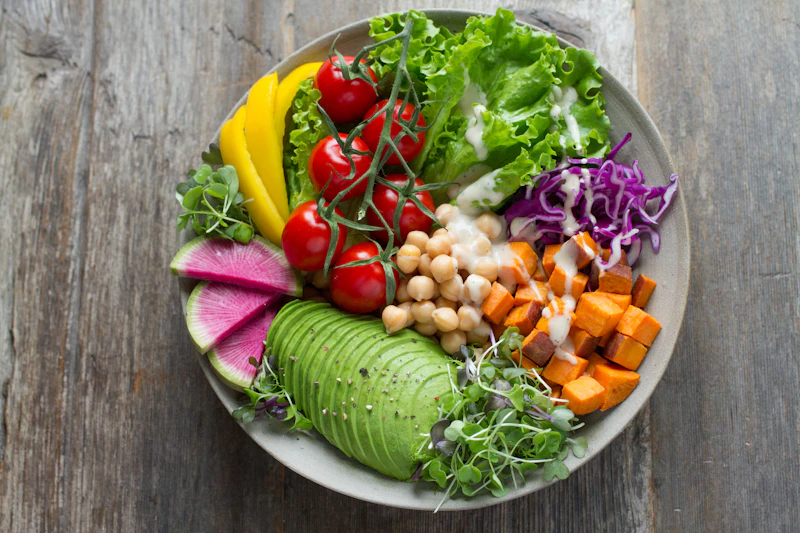
Recipe 6: Rainbow Tempeh & Quinoa Buddha Bowl
Prep time: 20 mins | Cook time: 15 mins | Servings: 2
Protein breakdown: Marinated tempeh (19g) + quinoa (8g) + tahini dressing (4g) = 31g total protein.
Instructions: Marinate cubed organic tempeh in tamari soy sauce, maple syrup, and garlic powder for 15 minutes. Air-fry or pan-fry tempeh until crisp. Assemble bowls with 1 cup cooked quinoa, steamed kale, purple cabbage, sliced avocado, and crispy tempeh. Drizzle generously with lemon-tahini dressing.

Recipe 7: Loaded Protein Toast with Cottage Cheese & Poached Eggs
Prep time: 10 mins | Cook time: 5 mins | Servings: 1
Protein breakdown: 2 slices sourdough (8g) + 1/2 cup whipped cottage cheese (12g) + 1 poached egg (6.5g) = 26.5g total protein.
Instructions: Toast thick sourdough bread. Spread 1/2 cup of low-fat whipped cottage cheese over toast. Top with mashed avocado, cherry tomatoes, microgreens, and a poached egg. Sprinkle with hemp seeds and chili flakes.
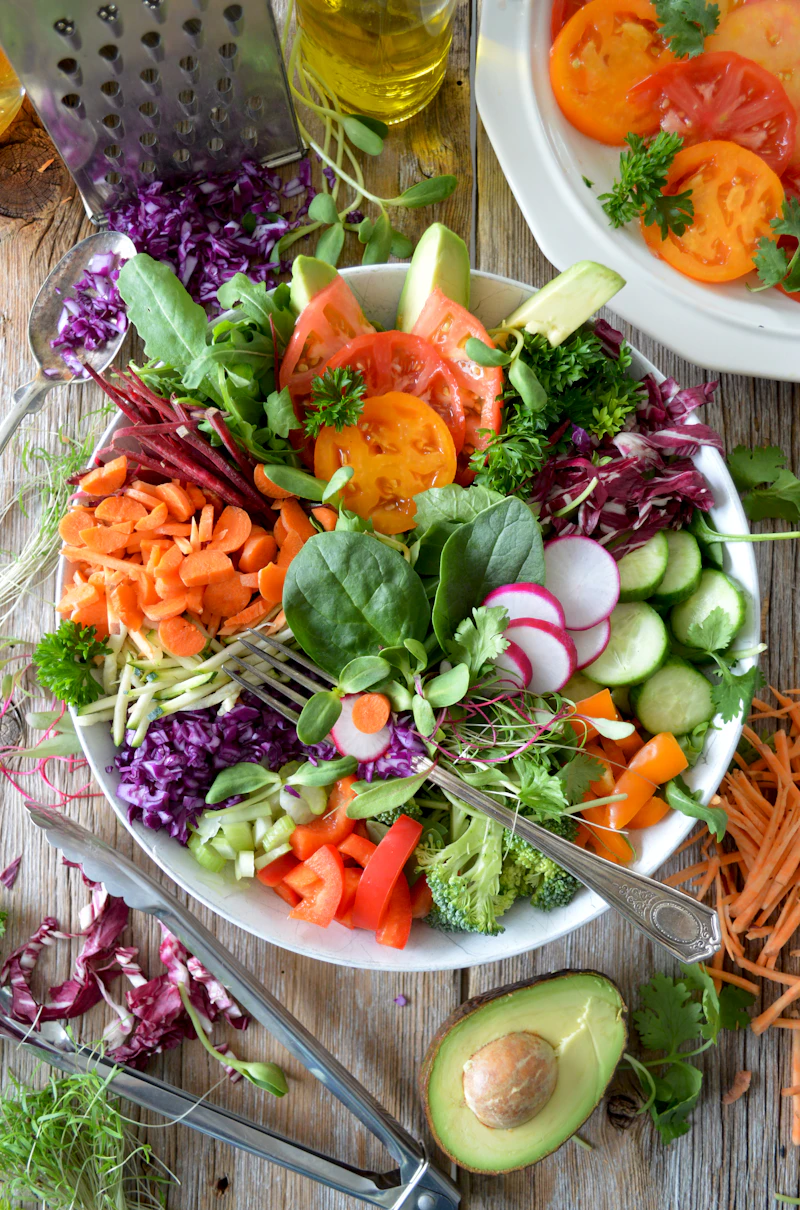
Recipe 8: Spicy Black Bean & Roasted Corn Salad
Prep time: 15 mins | Servings: 2
Protein breakdown: Black beans (15g) + pumpkin seeds (9g) + crumbled feta (5g) = 29g total protein.
Instructions: Combine 1 can of rinsed black beans with 1 cup of charred sweet corn, diced red onion, bell peppers, and fresh cilantro. Toss with lime juice, extra virgin olive oil, cumin, and sea salt. Top with toasted pumpkin seeds and crumbled feta cheese.
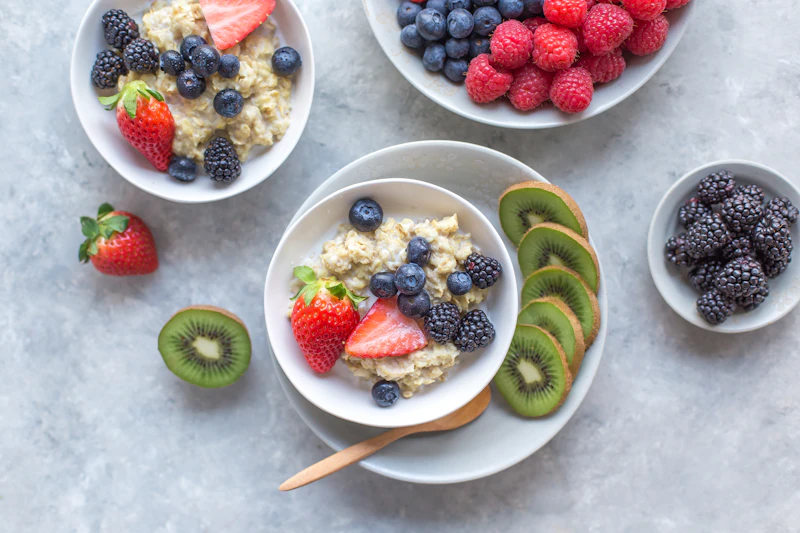
Recipe 9: High Protein Berry & Peanut Butter Oatmeal Bowl
Prep time: 5 mins | Cook time: 7 mins | Servings: 1
Protein breakdown: Rolled oats (6g) + plain Greek yogurt (12g) + peanut butter (8g) + chia seeds (3g) = 29g total protein.
Instructions: Cook rolled oats in almond milk for 6 minutes. Remove from heat and whisk in 1/2 cup of plain Greek yogurt until creamy. Swirl in 2 tablespoons of natural peanut butter, fresh blueberries, chia seeds, and a touch of honey.

Recipe 10: Teriyaki Seitan & Broccoli Stir-Fry
Prep time: 15 mins | Cook time: 10 mins | Servings: 2
Protein breakdown: Vital wheat gluten seitan strips (28g) + edamame & broccoli (7g) = 35g total protein.
Instructions: Slice homemade or store-bought seitan into thin strips. Stir-fry in sesame oil over high heat until crisp around the edges. Add fresh broccoli florets, snap peas, and tamari teriyaki sauce. Toss for 4 minutes until vegetables are tender-crisp. Serve over brown rice or eat as is.
6. 7-Day High Protein Vegetarian Meal Prep Structure
Planning your high protein vegetarian meals in advance ensures you effortlessly hit your daily protein targets without last-minute stress. Here is a balanced 7-day meal plan providing 100g+ of protein daily:
- Monday:
- Breakfast: Recipe 9 (High Protein Berry Oats - 29g)
- Lunch: Recipe 8 (Spicy Black Bean Salad - 29g)
- Dinner: Recipe 2 (Golden Tofu & Spinach Curry with Quinoa - 28g)
- Snack: 1/2 cup cottage cheese with pineapple (14g)
- Total Protein: 100g
- Tuesday:
- Breakfast: Recipe 7 (Cottage Cheese & Poached Egg Toast - 26g)
- Lunch: Leftover Tofu Curry (28g)
- Dinner: Recipe 1 (High Protein Shakshuka - 32g)
- Snack: 30g roasted pumpkin seeds + 1 boiled egg (15g)
- Total Protein: 101g
- Wednesday:
- Breakfast: Recipe 9 (High Protein Berry Oats - 29g)
- Lunch: Recipe 6 (Tempeh & Quinoa Buddha Bowl - 31g)
- Dinner: Recipe 3 (Moroccan Lentil Harira - 34g)
- Snack: Greek yogurt with hemp seeds (20g)
- Total Protein: 114g
- Thursday:
- Breakfast: Recipe 1 (High Protein Shakshuka - 32g)
- Lunch: Leftover Moroccan Harira (34g)
- Dinner: Recipe 4 (Baked Eggplant Parmigiana - 30g)
- Snack: Handful of almonds + chia pudding (12g)
- Total Protein: 108g
- Friday:
- Breakfast: Recipe 7 (Cottage Cheese & Egg Toast - 26g)
- Lunch: Recipe 10 (Teriyaki Seitan & Broccoli Stir-Fry - 35g)
- Dinner: Recipe 5 (Red Lentil & Hemp Seed Dahl - 26g)
- Snack: Edamame pods with sea salt (18g)
- Total Protein: 105g
- Saturday:
- Breakfast: Recipe 9 (High Protein Berry Oats - 29g)
- Lunch: Leftover Teriyaki Seitan (35g)
- Dinner: Recipe 1 (High Protein Shakshuka - 32g)
- Snack: Protein smoothie with pea protein powder (22g)
- Total Protein: 118g
- Sunday:
- Breakfast: Recipe 7 (Cottage Cheese Toast - 26g)
- Lunch: Recipe 6 (Tempeh Buddha Bowl - 31g)
- Dinner: Recipe 4 (Baked Eggplant Parmigiana - 30g)
- Snack: Greek yogurt with peanut butter (20g)
- Total Protein: 107g
7. Debunking 5 Myths About Vegetarian Protein
Myth 1: Plant Protein is Inferior for Muscle Growth
Scientific studies published in the Journal of Nutrition demonstrate that when total leucine and amino acid intake is matched, plant protein isolates (such as soy, pea, and rice protein blends) stimulate muscle protein synthesis identically to whey protein.
Myth 2: You Must Combine Proteins at Every Single Meal
As confirmed by global nutrition bodies, the body maintains a circulating pool of free amino acids. Consuming legumes at lunch and whole grains at dinner satisfies all essential amino acid requirements effortlessly.
Myth 3: Soy Foods Disrupt Hormones
Extensive clinical research confirms that phytoestrogens (isoflavones) in whole soy products like tofu and tempeh do not negatively impact testosterone or thyroid function in humans. In fact, whole soy offers protective cardiovascular benefits.
Myth 4: High Protein Vegetarian Meals Are Too High in Carbs
By prioritizing concentrated protein sources such as seitan, tempeh, tofu, eggs, cottage cheese, and Greek yogurt, you can easily maintain a low-carb or moderate-carb macro balance while hitting 120g+ of protein daily.
Myth 5: Vegetarian Protein Preparation is Time-Consuming
Using batch-cooking techniques (like boiling lentils or baking tempeh in bulk), high protein vegetarian meals can be prepared in under 15 minutes per session.
Want 100 Complete HD Recipes with Full Instructions?
If you enjoyed this comprehensive guide, get instant access to The Everyday Vegetarian Ebook. Contains 100 fully detailed recipes, printable HD photography for every single dish, 5 categorized chapters, and preparation times for just $5.00 (Was $29.00).
Download Complete 100-Recipe Book ($5)